Kampong Glam Walking Tour
Trip timeline
5 stops · ~3h 30m at stops · 2.7 km on foot
- 1
Sultan Mosque (Masjid Sultan)
Suggested stay ~30 min
- 2
Haji Lane
Suggested stay ~30 min
- 3
Gar Lok Eating House
Suggested stay ~30 min
- 4
Golden Mile Food Centre
Suggested stay ~1h
- 5
Malay Heritage Centre
Suggested stay ~1h
Distances are approximate stop-to-stop estimates, not live Google Maps results. Actual travel varies with roads, traffic and your own pace.
Meeting point
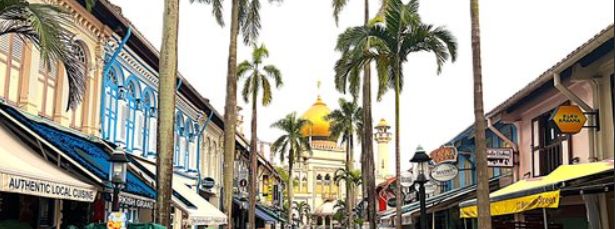
1Sultan Mosque (Masjid Sultan)
Majestic golden-domed mosque dates back to the 1820s.
Established in 1826 following an agreement between the British East India Company and Sultan Hussein Shah, the Sultan Mosque in Singapore originated as a brick structure in Kampong Glam. The current Indo-Saracenic masterpiece, rebuilt between 1924 and 1932 by architect Denis Santry, features iconic golden domes adorned with glass bottles donated by the community. Gazetted as a national monument in 1975, the mosque remains a central hub for Singaporean Islamic identity, capable of accommodating 5,000 worshippers. Detailed historical records and architectural insights can be found on official Singapore heritage websites.
 2
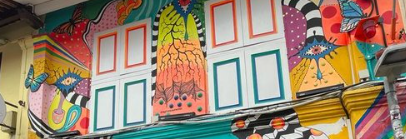
2Haji Lane
Artisan shops rarely seen in modern Singapore
If you are tired of the seen one seen all malls in Singapore, Haji Lane will probably be a place to explore at your own leisure. This vicinity spots small artisan shops selling crafts and stuff you won't normally see at shopping malls. It is touristy to begin with, however, the vibe you get will be very different from the often visited spaces in modern Singapore. Haji Lane retained some of the charms of Singapore's past and way of life, though the crafts and stuff you find will be a far cry from what were there close to 200 years ago. You can also find many restaurants as you explore the lanes with some selling authentic traditional cuisines from Turkey and middle eastern origins.
 3
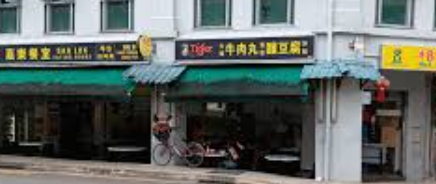
3Gar Lok Eating House
Best Hakka Yong Tau Foo and Beef Ball
I am a Hakka. And trust me on this if you want authentic Hakka cuisine which are often underrated. Gar Lok Eating House at Syed Alwi road is a Gem you must not miss. Warning!! Go early. There are limited sitting places and the good stuff sells out by 11 am. One of the sell out items is the slice beef soup. Very tender beef slices and very flavourful! The other thing I really like is the Hakka Abacus. Made with yam and glutinous rice flour, this dish can be eaten as a snack or a main. If you don't see it at the stall, ask the friendly aunty at the stall and she will gladly help you out.
 4
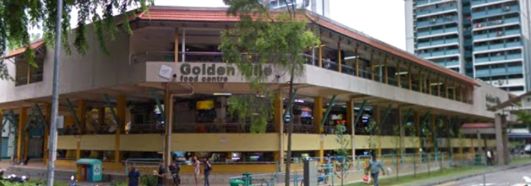
4Golden Mile Food Centre
Hawker flares
Golden Mile Food Centre is located along Beach Road, the southern part of Singapore. You can find all the local favourite hawker food at this food centre. Worth tasting are the Shiok Hokkien Mee and 75 Ah Balling Peanut Soup (which is actually glutinous rice ball with various fillings such as peanut and black sesame). And if you do venture to the top floor, you may still find shops selling supplies for army personnel.
 5
5Malay Heritage Centre
Learn about the Bugis in Singapore
Find out more about the Bugis in Singapore. Below are a snippet of its history. ------------- The Bugis of Singapore are a Malay sub-ethnic group originally hailing from South Sulawesi, Indonesia. Renowned across Maritime Southeast Asia as fearless seafarers, master shipbuilders, and shrewd merchants, they played a pivotal role in establishing Singapore as a global trading hub long before the arrival of the British in 1819.Maritime Pioneers and Early Settlement. Before the 19th century, Bugis traders navigated the treacherous waters of the Malay Archipelago in traditional wooden sailing vessels known as Pinisi schooners. They controlled key trade routes, exchanging spices, sandalwood, tortoiseshells, and gold. When Sir Stamford Raffles established a British trading post in Singapore, he recognized the economic value of the Bugis network. Attracted by free-trade policies, hundreds of Bugis settled in the area allocated to them by the colonial administration, stretching from the Rochor River to Kampong Glam. This area quickly grew into a bustling maritime enclave where ships from across the archipelago docked to trade, completely transforming the local economy. The Bugis community in Singapore was deeply intertwined with the local Malay aristocracy. Many prominent Bugis families intermarried with Johor-Riau royalty, who resided at the Istana Kampong Glam (now the Malay Heritage Centre). Through these alliances, the Bugis exerted significant political and cultural influence over the region. Culturally, the Bugis brought a rich heritage to Singapore. They were devout Muslims, yet they retained distinct cultural traits, including their own language (Agi), unique textile weaving techniques, and a strict code of honour known as Siri’. They were also famous for their maritime literature, most notably the La Galigo, an epic poem that is one of the longest literary works in human history. As Singapore transitioned from a colonial port to a modern industrial metropolis in the 20th century, the traditional maritime trade of the Bugis gradually declined. The old Bugis kampongs (villages) and the iconic Pinisi ships eventually vanished from the coastlines due to urban redevelopment. ---------- But nothing beats experience it for yourself at the heritage centre.
© Tour content by the tour guide · Shared on Here Got What