Tokyo · nature
Trip timeline
20 stops · ~17h 15m at stops
- 1
Shinjuku Gyoen National Garden
Suggested stay ~1h
- 2
Rikugien Garden
Suggested stay ~1h
- 3
Ueno Park
Suggested stay ~1h
- 4
Koishikawa Korakuen
Suggested stay ~30 min
- 5
Odaiba Beach
Suggested stay ~1h
- 6
Hamarikyu Gardens
Suggested stay ~45 min
- 7
Yoyogi Park
Suggested stay ~1h
- 8
Inokashira Park
Suggested stay ~1h
Distances are approximate stop-to-stop estimates, not live Google Maps results. Actual travel varies with roads, traffic and your own pace.
Meeting point
1Shinjuku Gyoen National Garden
An Imperial Escape
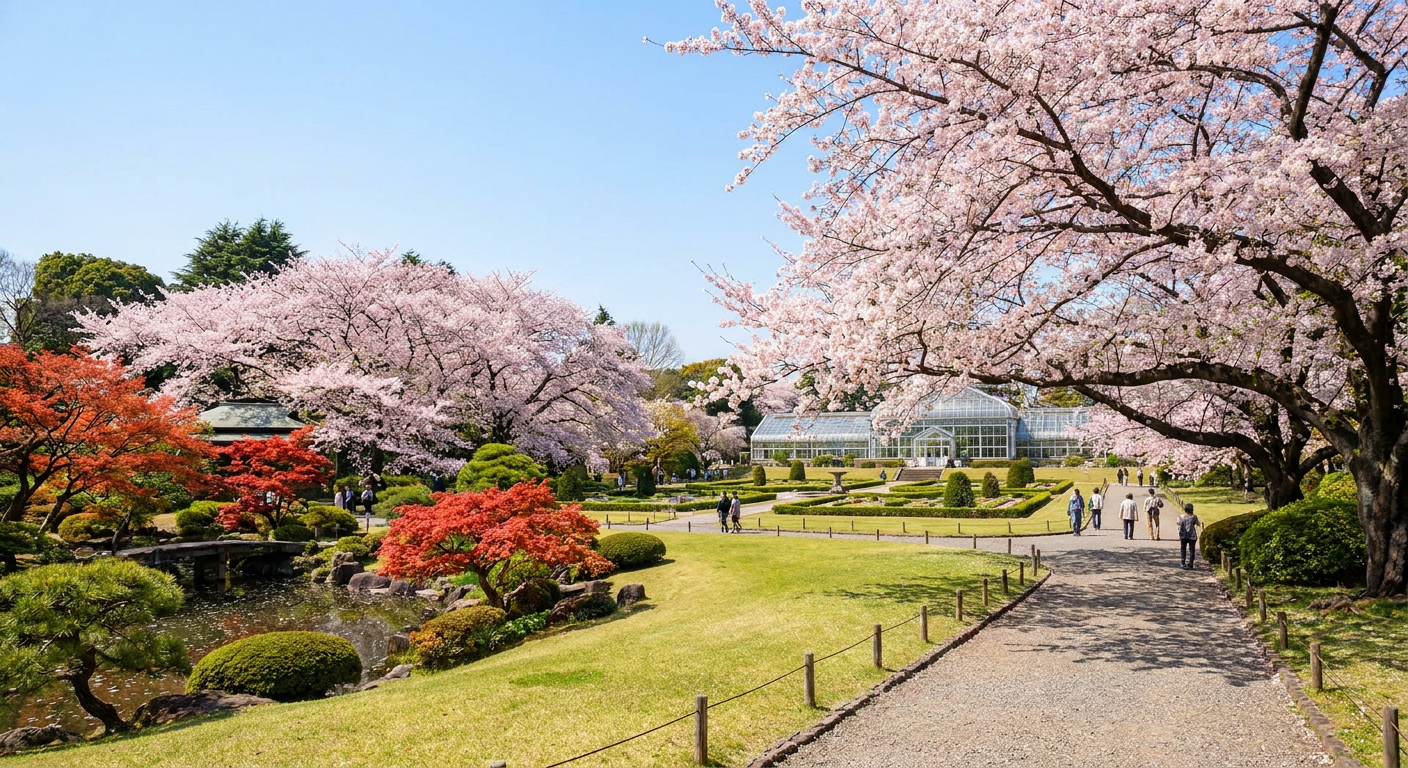
Originally part of the Naito family estate during the Edo period, Shinjuku Gyoen transformed into an imperial botanical garden before becoming a public park after World War II. It features three distinct styles: French Formal, English Landscape, and Japanese Traditional. In spring, the over 1,000 cherry trees create a pale pink canopy that blankets the rolling lawns, while autumn brings fiery maples. Visitors often find themselves forgetting the roar of the surrounding metropolitan skyscrapers once they pass through the gates. The transition from industrial chaos to serene solitude is both profound and immediate.
 2
2Rikugien Garden
A Garden of Poetry
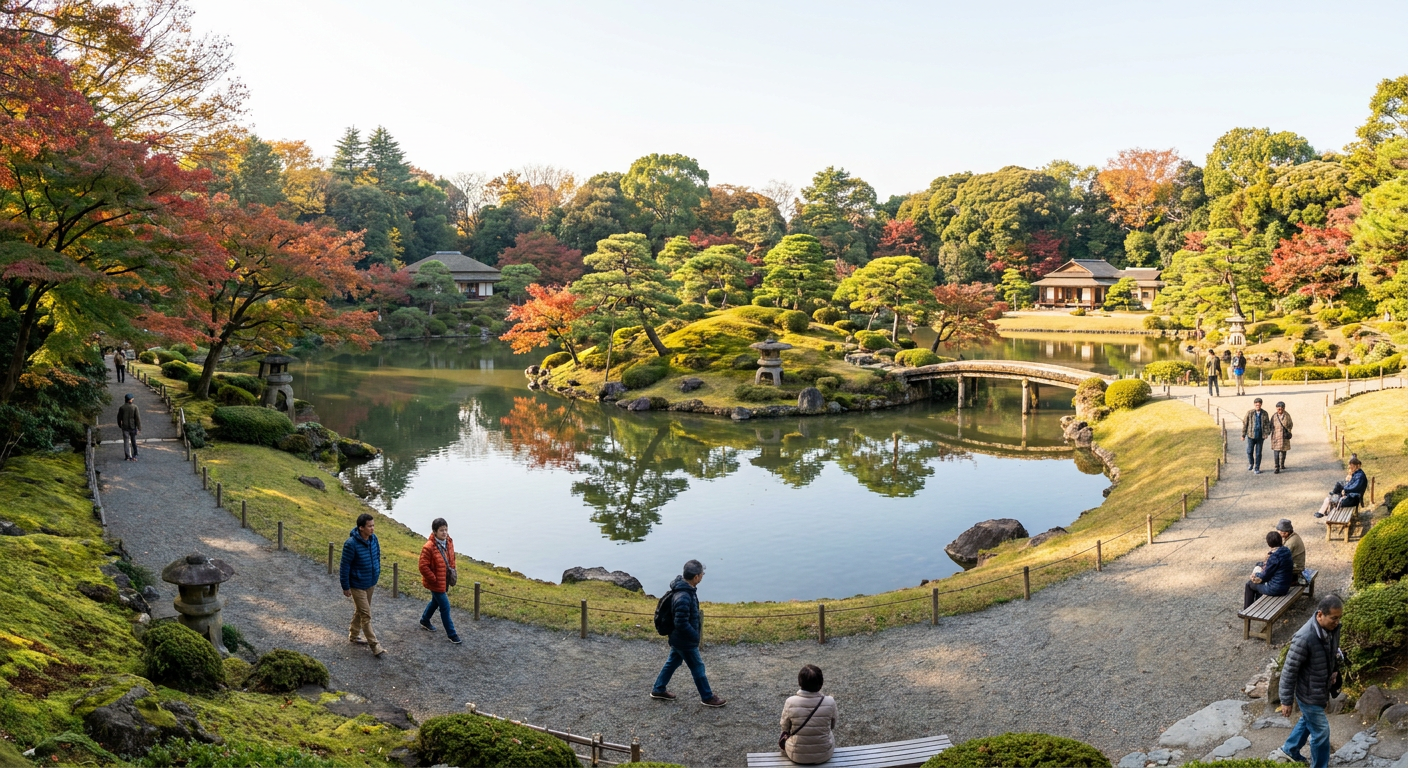
Constructed in the late 17th century by the shogunate official Yanagisawa Yoshiyasu, Rikugien is widely considered Tokyo's most exquisite landscape garden. Its name translates to 'Six Poems Garden,' reflecting scenes from famous waka poetry recreated throughout the grounds. At the heart of the park lies a large central pond flanked by man-made hills and winding paths that encourage slow, contemplative walks. The stunning weeping cherry tree near the entrance is the star of the spring season. It stands as a testament to the elegant aesthetic sensibilities of the Edo aristocracy.
 3
3Ueno Park
The Cultural Oasis
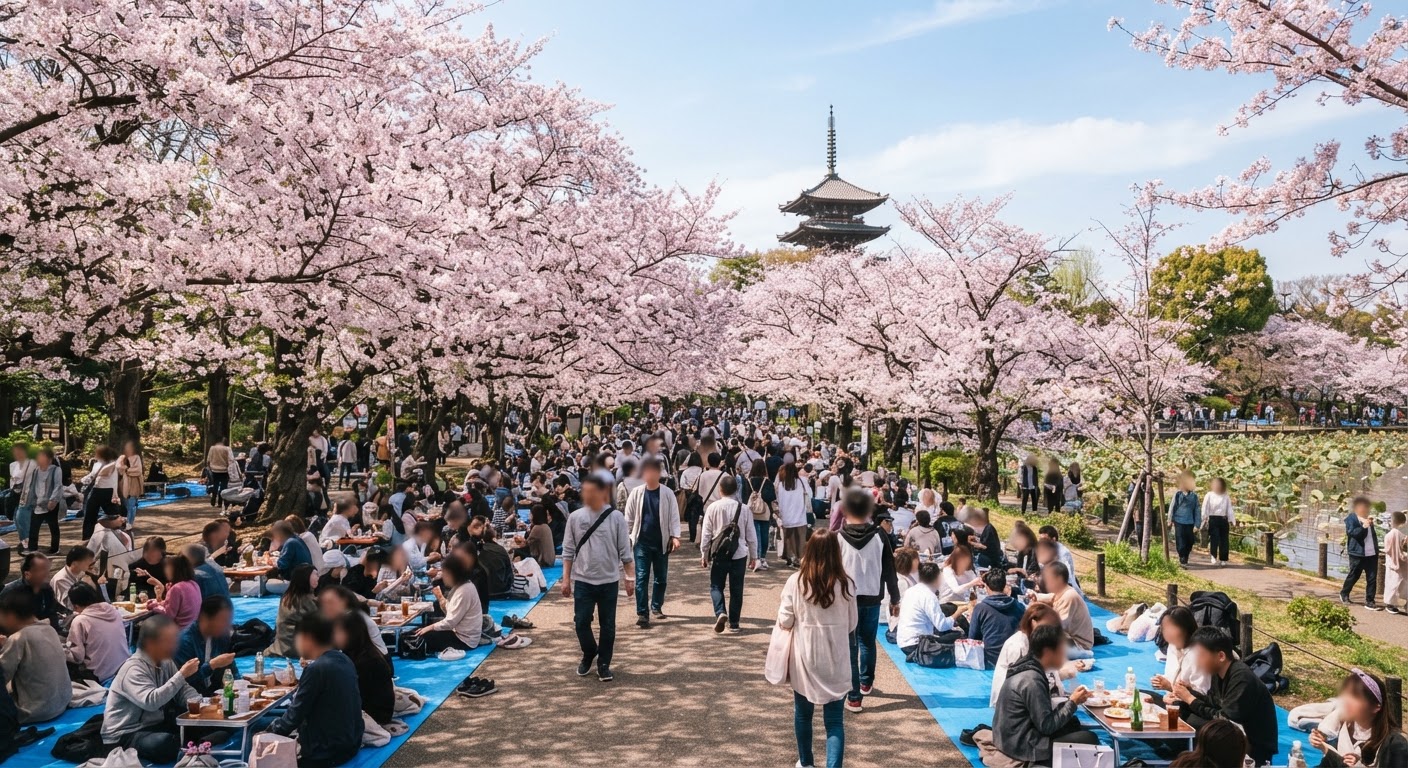
Ueno Park sprawls across a massive former temple site, serving as the city’s primary cultural lungs. It is home to vast green spaces, a large lotus-filled pond called Shinobazu, and several world-class galleries. During the blossom season, the central walkway becomes a tunnel of flowers where locals gather for boisterous picnics. Beyond the sakura, the park offers quiet shaded paths and a historic zoo that has been part of the city’s identity for over a century. Walking through Ueno provides a unique blend of civic history, natural beauty, and art within the dense concrete heart of Tokyo.
 4
4Koishikawa Korakuen
Design of Miniature Worlds
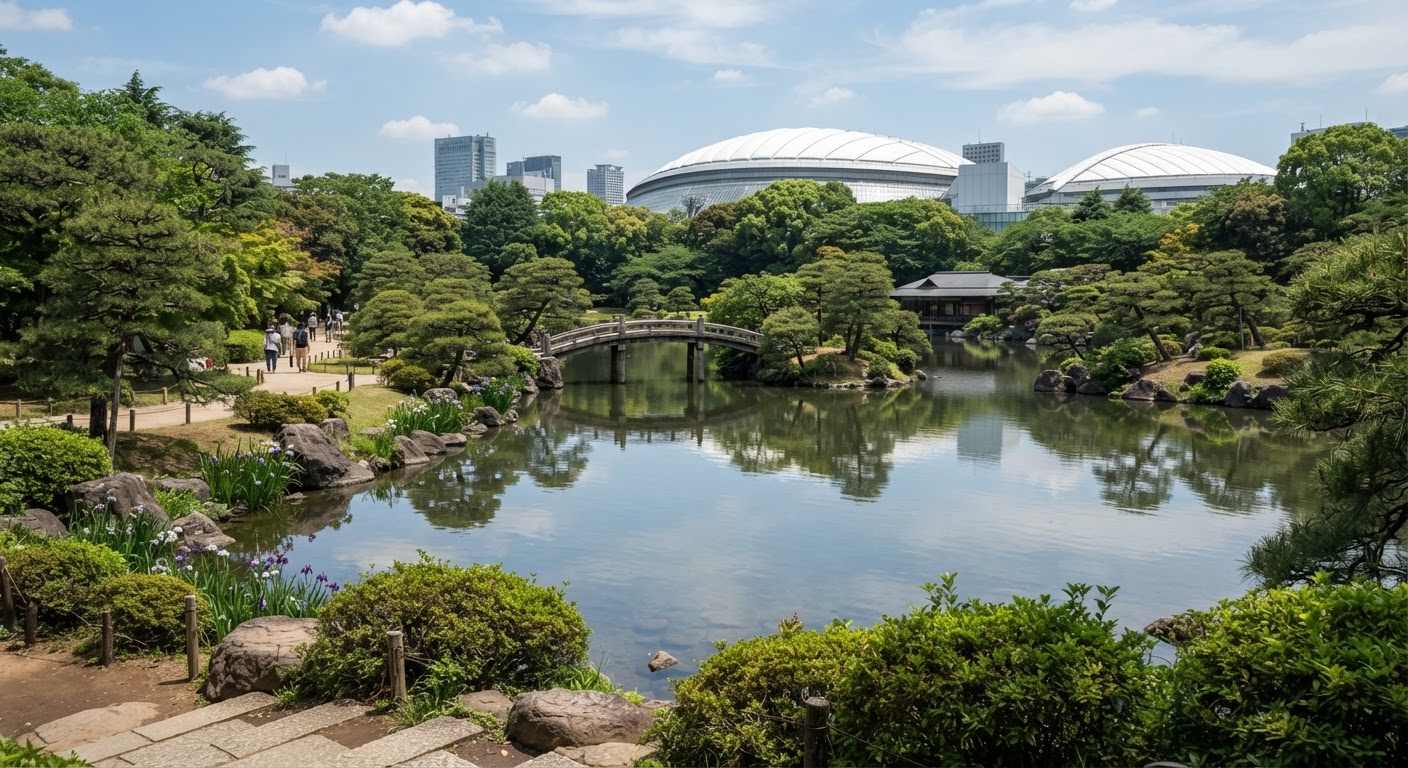
One of the oldest gardens in Tokyo, Koishikawa Korakuen was built in the early Edo period by the Tokugawa family. The design philosophy incorporates the concept of 'Borrowing Landscapes,' using visual tricks to incorporate external scenery, such as the nearby Tokyo Dome, into the garden's composition. Stone bridges, reflective ponds, and meticulously pruned pine trees recreate famous Chinese and Japanese landscapes in miniature. Walking along the circular path feels like stepping into a traditional ink wash painting brought to life. It remains a quiet harbor amidst the bustling northern districts.
 5
5Odaiba Beach
The Artificial Shore
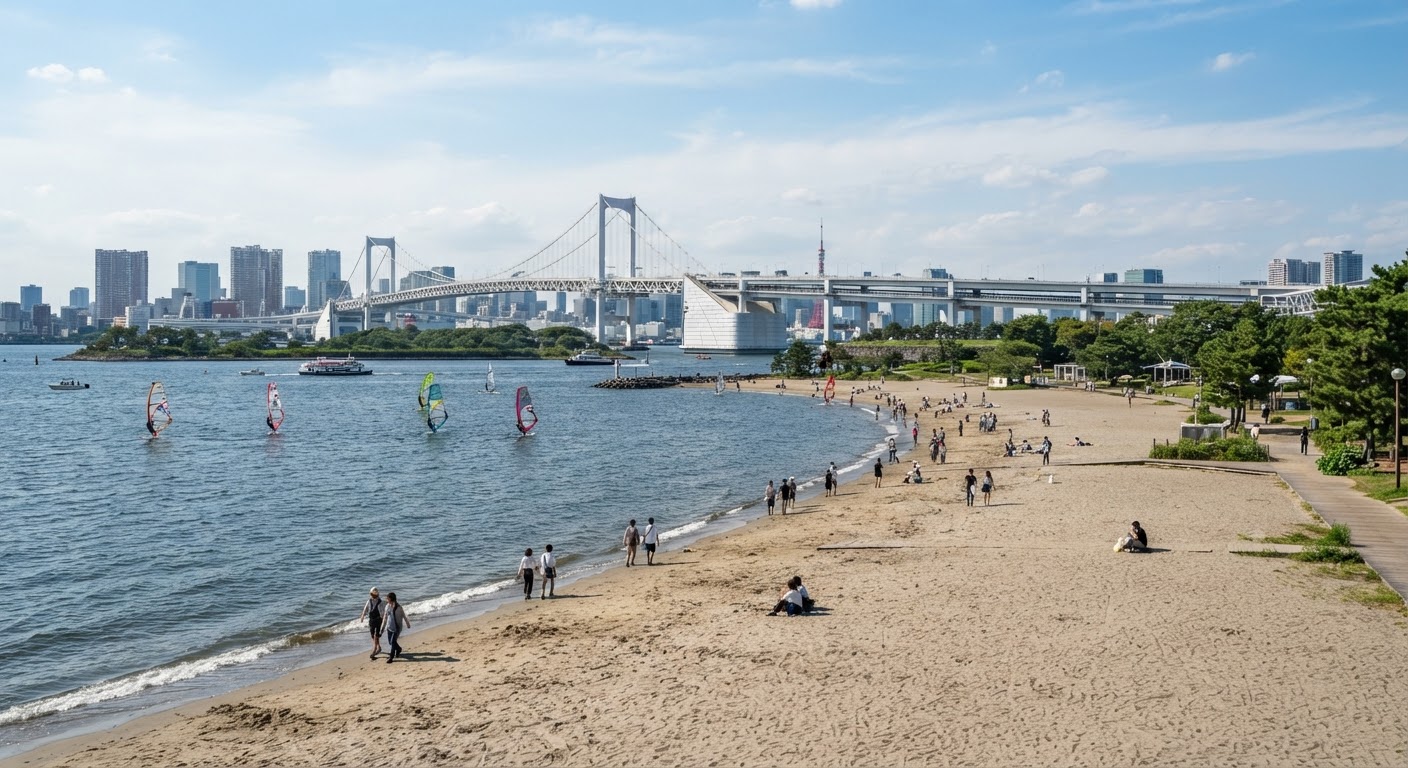
Odaiba Beach offers a rare sandy waterfront in a city otherwise defined by hard seawalls. Though swimming is prohibited due to water quality standards, the beach provides an unparalleled view of the Rainbow Bridge and the Tokyo skyline across the bay. It is a man-made park built upon reclaimed land, designed to give city dwellers a taste of the seaside. Whether watching windsurfers skim across the harbor or enjoying the sunset from the wooden boardwalk, the beach creates a relaxed, maritime atmosphere that contrasts sharply with the frantic pace of the nearby malls and entertainment complexes.
- 6
Hamarikyu Gardens
Tidal Currents and Tea
Hamarikyu Gardens is unique for its seawater moat, where the level of the pond rises and falls with the Tokyo Bay tide. Once a duck hunting ground for the Shogun, it now features a traditional teahouse perched on a small island, accessible via a restored wooden bridge. Looking out from the garden, you see a striking contrast between the ancient pine trees and the modern skyscrapers of the Shiodome business district looming in the background. It serves as a reminder of Tokyo’s layered history, where Edo-era structures and 21st-century architectural giants coexist in a singular vertical frame.
- 7
Yoyogi Park
The City's Front Lawn
Yoyogi Park stands as the green heart of the youth culture epicenter of Harajuku and Shibuya. Once an Olympic village, it has evolved into a vast space for musicians, dancers, families, and picnickers to gather on weekends. The dense forest areas provide surprisingly deep shade, while the central field captures the vibrant energy of Tokyo culture. It is one of the few places in the capital where the air feels expansive rather than hemmed in by buildings. From the rows of ginkgo trees that turn bright gold in November to summer flea markets, the park is a living, breathing reflection of Tokyo life.
- 8
Inokashira Park
The Pond at the Edge of Town
Located in the artistic neighborhood of Kichijoji, Inokashira Park is a local favorite featuring a scenic central pond that can be explored by swan pedal boats. The surrounding woods are filled with cherry blossoms, creating a pink reflection on the water during the spring months. It also houses a small zoo and a quiet temple dedicated to Benzaiten, the goddess of water and music. This park is the ultimate weekend getaway for Tokyo residents who seek to escape the central city stress without traveling far. Its winding, shaded trails feel more like a countryside escape than a metropolitan park.
- 9
Todogoroki Valley
The Jungle in the City
Todoroki Valley is Tokyo's secret ravine, a verdant gorge hidden away in the Setagaya suburbs that remains surprisingly cool during the humid summer months. A walking path follows the Yazawa River, shaded by a thick canopy of zelkova and bamboo trees that muffles the city sounds above. Along the way, you encounter ancient burial mounds, decorative wooden bridges, and a waterfall that traditionally served for ascetic meditation. It is an extraordinary remnant of how the Musashino Plateau looked before urbanization. A small cafe near the temple adds a perfect resting point for the journey.
- 10
Mount Takao
A Sacred Ascent
While technically a mountain, the trails of Takao-san are a primary urban hiking destination located within the western reaches of Tokyo prefecture. With multiple routes ranging from paved paths to forested dirt trails, it offers hikers of all levels a chance to experience deep nature. At the summit, on a clear day, the peaks of Mount Fuji appear on the horizon, glowing purple in the fading light. The temple complex halfway up, Yakuo-in, features striking tengu statues and carries a long history of mountain worship. It is the premier spot for locals to experience autumn foliage or mountain air.
- 11
Kasai Rinkai Park
Where the Sky Meets Sea
Kasai Rinkai Park is a sprawling waterfront destination known for its massive Ferris wheel and the panoramic views of Tokyo Bay from its artificial beaches. The park serves as a bird sanctuary, providing a rare habitat for migratory birds right at the edge of the sprawling capital. Its centerpiece is the Crystal View observatory, a glass building that offers a seamless transition between the manicured lawns and the expansive coastline. During the summer, the seaside breeze provides a fresh alternative to the heat of the central city districts, making it an ideal spot for an afternoon retreat.
- 12
Sumida Park
Reflections on the River
Stretching along both banks of the Sumida River, this park is the historical home of thousands of cherry trees, first planted by the Eighth Shogun, Tokugawa Yoshimune. It serves as a vital green artery, offering views of the Tokyo Skytree and the classic low-slung bridges that define the downtown area. During the annual fireworks festival, the riverfront becomes the center of the world for locals. Even on quiet days, the sight of traditional yakatabune boats drifting past the park benches creates a nostalgic atmosphere. It is a fantastic place to witness the contrast between historical preservation and modern towers.
- 13
Meiji Jingu Gaien
The Golden Ginkgo Avenue
Famous for the spectacular Icho Namiki, a long avenue of majestic ginkgo trees, this area is a masterclass in urban landscaping. In late November, the trees transform the entire street into a shimmering golden tunnel, drawing visitors from across the country. Beside the trees sit major sporting facilities, including the iconic stadium that famously showcases the contrast between traditional architecture and modern athletic ambition. The park area is meticulously managed, providing a sense of order and grandeur that feels distinct from the wilder, freer spirits of parks like Yoyogi. It is a place of refined beauty.
- 14
Shiba Park
Beneath the Iron Tower
Shiba Park is one of the oldest parks in the city, situated directly in the shadow of Tokyo Tower. The park's varied terrain includes rolling hills and ancient stone lanterns that hint at the history of the nearby Zojoji Temple grounds. It is a popular spot for professional photographers who seek the perfect alignment of blooming flowers or autumn leaves against the prominent orange lattice of the nearby tower. Despite its location in the middle of a major business district, the winding paths and dense shrubbery offer a surprisingly intimate atmosphere. Even at night, the park glows with the soft light of the tower.
- 15
Kyū-Iwasaki-tei Gardens
The Mitsubishi Legacy
This site features the preserved main residence and garden of the Iwasaki family, the founders of the Mitsubishi conglomerate. The garden uniquely combines a traditional Japanese layout with a Western-style mansion designed by Josiah Conder, an English architect instrumental in the modernization of Tokyo. The pristine grass lawn and the intricate stone arrangements demonstrate the influence of Meiji-era Westernization on Japanese gardening styles. Walking through the wooden corridors of the villa while gazing out at the meticulously manicured garden offers an insight into the lives of Japan’s industrial elite during a transformative era.
- 16
Mukojima-Hyakkaen Gardens
A Garden of One Hundred Flowers
Established in the early 19th century by a group of literati, Mukojima-Hyakkaen is not a classic daimyō garden, but rather a flower-focused retreat inspired by Chinese classics. Instead of grand vistas, the park focuses on the seasonal beauty of various medicinal plants, ferns, and wildflowers. The signature element is an arched trellis covered in bush clover, which blooms spectacularly in late summer. This garden lacks the formality of imperial parks, opting instead for a rustic, charming, and highly personal aesthetic. It is a favorite among those who prefer quiet contemplation of nature's small, seasonal details.
- 17
Tonogayato Garden
The Musashino Plateau Springs
Located in Kokubunji, this garden is a hidden gem that takes advantage of the natural spring waters flowing from the Musashino Plateau. The park is built on a steep slope, with the upper section serving as a manicured lawn area and the lower section consisting of a lush, wooded valley with a stream and a pond. The contrast between the open upper terrace and the cool, shadowed lower ravine makes for an engaging environment. It is a premier location to observe the natural topography of western Tokyo. Dense bamboo forests and mossy paths provide a deep immersion into the local environment.
- 18
Showa Kinen Park
A Vast Meadow of Flowers
Spanning over 160 hectares, Showa Kinen Park is arguably the most expansive recreational ground in the Tokyo region. It was built to commemorate the 50th anniversary of Emperor Showa's reign and features an incredibly diverse range of landscapes, including Japanese gardens, fountains, cycling paths, and gigantic flower beds. The tulip gardens in spring and the iconic ginkgo-lined canal in autumn draw crowds from all over the country. Because of its sheer scale, it never feels overwhelmingly crowded, even on high-traffic days. It is truly a sprawling outdoor sanctuary designed for active engagement with the changing seasons.
- 19
Hibiya Park
Japan's First Western Park
Hibiya Park is celebrated as the first Western-style public park in modern Japan, designed with symmetrically arranged flower beds and wide open plazas. It serves as a political and social hub, conveniently nestled between the Imperial Palace and the government business district of Kasumigaseki. The iconic flower fountain and the historic bandstand reflect a bygone era of Meiji-period social development. During the lunch hour, it fills with office workers escaping their desks to enjoy a quick breather under the shade of massive trees. It represents the successful integration of European urban planning into the busy capital.
- 20
Ariake Garden
Modern Urban Green
Ariake Garden stands as a testament to modern urban renewal on the waterfront. Unlike the historic parks of the old city, this site integrates contemporary greenery with integrated shopping, theaters, and luxury hotel towers. The central terraces offer a fresh perspective on Tokyo's coastal development, with wide boardwalks and art installations. It is designed to act as a communal living room for the residential bay area, emphasizing clean lines and high-tech foliage maintenance. While it lacks the ancient forests of older districts, its focus on open sky and wind flow makes it a breath of fresh air in the harbor.
© Tour content by the tour guide · Shared on Here Got What